

The Hybrid Athlete: A Complete Guide to Blending Strength, Cardio & Mobility
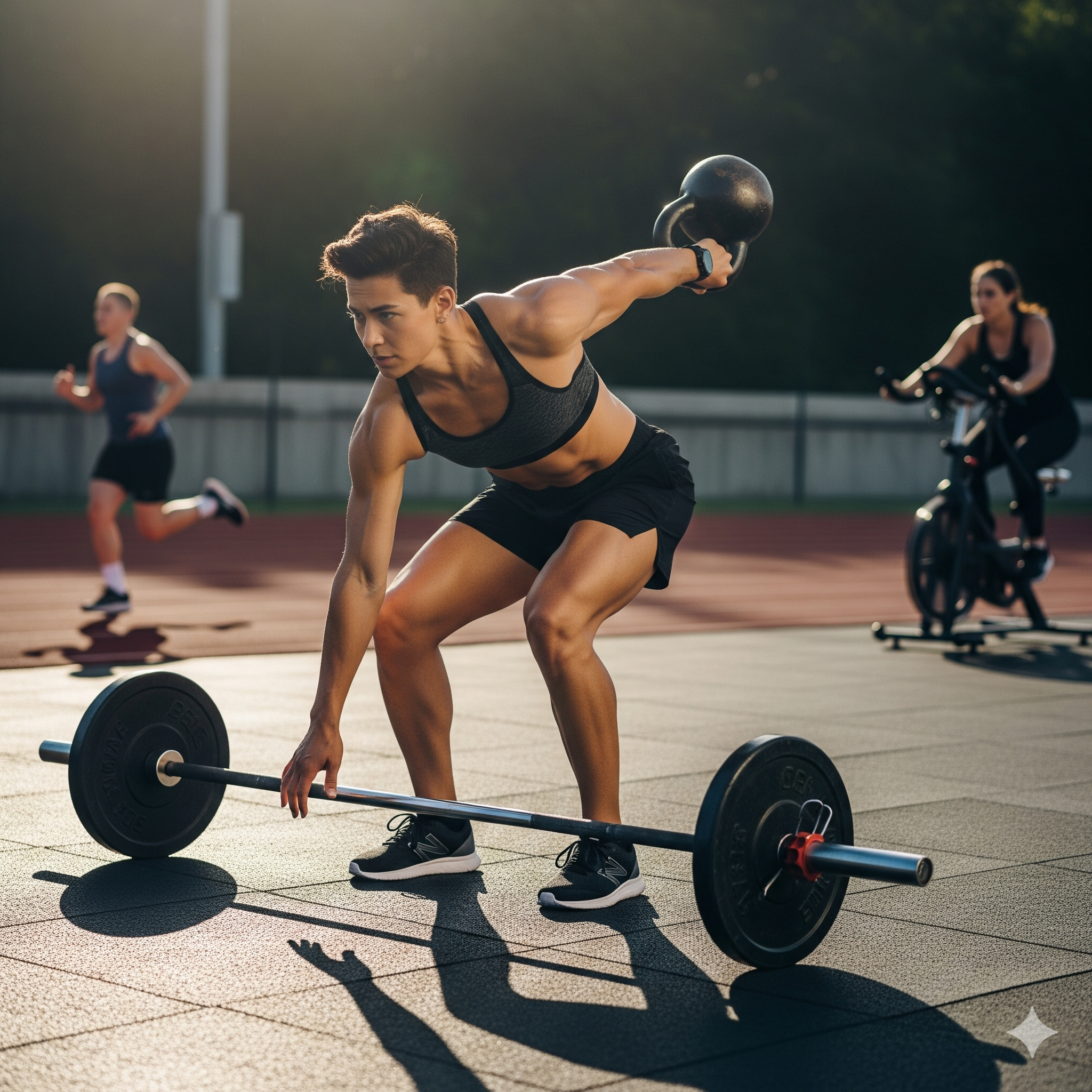
When we think of “fitness,” many of us picture someone who is either incredibly strong, a super-fast runner, or incredibly flexible. But what if you didn’t have to choose just one? The world of fitness is evolving, and more people are embracing the idea of becoming a hybrid athlete.
A hybrid athlete is someone who isn’t just focused on one discipline. Instead, they build a well-rounded routine that blends strength, cardiovascular endurance, and mobility. It’s about being capable, resilient, and ready for whatever life throws at you—whether that’s lifting heavy boxes, running for the bus, or playing with your kids without getting out of breath. If you’ve ever wanted to feel strong, fit, and agile all at once, the hybrid athlete approach might be for you.
The “Why” Behind Hybrid Training
You might be thinking, “That sounds like a lot of work!” But blending these three elements isn’t just for elite athletes; it offers some brilliant benefits for everyone. It’s a holistic approach to fitness that makes you feel good and can prevent you from getting “knackered” on your daily ventures.
- Injury Prevention: Focusing solely on one type of training can lead to muscular imbalances and repetitive strain. By blending strength, cardio, and mobility, you build a more balanced body. Strong muscles support your joints, a healthy heart reduces stress, and improved mobility ensures your joints can move through a full, healthy range of motion.
- Improved Performance in Life: The goal of hybrid training isn’t just to lift more or run faster—it’s to make your daily life easier. A strong body, a fit heart, and flexible joints mean you’ll have the resilience to handle anything from carrying shopping to climbing stairs without a problem.
- Boosted Metabolism: Strength training builds muscle, which is metabolically active, meaning it burns more calories at rest. Cardio training improves your cardiovascular system’s efficiency. The combination of both works brilliantly together to create a fat-burning powerhouse.
- Mental Resilience: Tackling different types of workouts—from a tough strength session to a long run—builds a unique kind of mental toughness. It teaches you to push through challenges and embrace discomfort, which translates into confidence in all areas of your life.
The Three Pillars of Hybrid Training
To become a hybrid athlete, you need to understand the role of each pillar in your routine. Think of it like a three-legged stool—if one leg is wobbly, the whole thing falls over.
1. Strength: The Foundation
Strength training is the non-negotiable foundation of any good fitness routine. It’s not just about lifting heavy weights; it’s about building a strong body that can withstand the demands of training and daily life. It helps you build muscle, strengthen bones, and improve your overall posture.
What to do:
- Focus on compound movements that work multiple muscle groups at once. These are your biggest calorie burners and most effective muscle builders.
- Examples: Squats, deadlifts, bench presses, and overhead presses.
- How to progress: Don’t lift the same weight forever. The principle of progressive overload means you gradually increase the challenge over time by adding more weight, more reps, or more sets.
2. Cardio: The Engine
Cardiovascular exercise strengthens your heart and lungs, improves your endurance, and helps your body become more efficient at using oxygen. It’s the engine that powers your performance, both in the gym and on the running track.
What to do:
- Steady-State Cardio: This involves a sustained, moderate effort for an extended period. Think of a long, comfortable run, a cycle, or a brisk walk. It’s brilliant for building an aerobic base and aiding recovery.
- High-Intensity Interval Training (HIIT): This involves short bursts of intense exercise followed by brief rest periods. HIIT is incredibly efficient for burning fat and improving your aerobic capacity quickly.
- Examples: Running, cycling, rowing, swimming, or using a cardio machine like an elliptical.
3. Mobility: The Lubricant
Often overlooked, mobility training is what keeps your body moving freely and without pain. It’s the ability of your joints to move through their full range of motion. Think of it as the oil that keeps your engine (cardio) and foundation (strength) running smoothly.
What to do:
- Include dynamic stretches as part of your warm-up. These are active movements that prepare your body for the workout ahead.
- Perform static stretches after your workout to improve flexibility. These are stretches held for a period of time.
- Examples:
- Dynamic: Leg swings, arm circles, walking lunges.
- Static: Holding a hamstring stretch, quad stretch, or pigeon pose.
- Dedicate 10-15 minutes a few times a week to a dedicated mobility session. This can be as simple as foam rolling or following a guided yoga routine.
Building Your Hybrid Routine: The “How-To”
The most common question about hybrid training is, “How do I fit it all in?” The secret is to not do everything at once. A simple weekly schedule can make all the difference.
Beginner’s Weekly Plan (3-4 Sessions)
This plan is perfect for someone just getting started, ensuring you don’t get overwhelmed or “burnt out” before you’ve even properly begun.
- Monday: Full-Body Strength Training Session
- Tuesday: Steady-State Cardio (e.g., a 30-minute jog)
- Wednesday: Rest or an active recovery day (light walk, gentle mobility)
- Thursday: Full-Body Strength Training Session
- Friday: Rest
- Saturday: HIIT or a short, intense run
- Sunday: Active recovery (e.g., yoga or a long walk)
Advanced Weekly Plan (4-5 Sessions)
For those with more experience, this plan allows for more focused training days.
- Monday: Strength (Upper Body Focus)
- Tuesday: Cardio (e.g., 40-minute run)
- Wednesday: Strength (Lower Body Focus)
- Thursday: Active Recovery (Mobility and Stretching)
- Friday: Strength (Full Body or a Mix of Lifts)
- Saturday: HIIT or a long run
- Sunday: Rest
Tip: Always start your workouts with a 5-10 minute dynamic warm-up and finish with 5-10 minutes of static stretching to maximise your results and reduce the risk of injury.
The Critical Role of Recovery and Nutrition
You can have the best training plan in the world, but without proper fuel and rest, you’ll get nowhere.
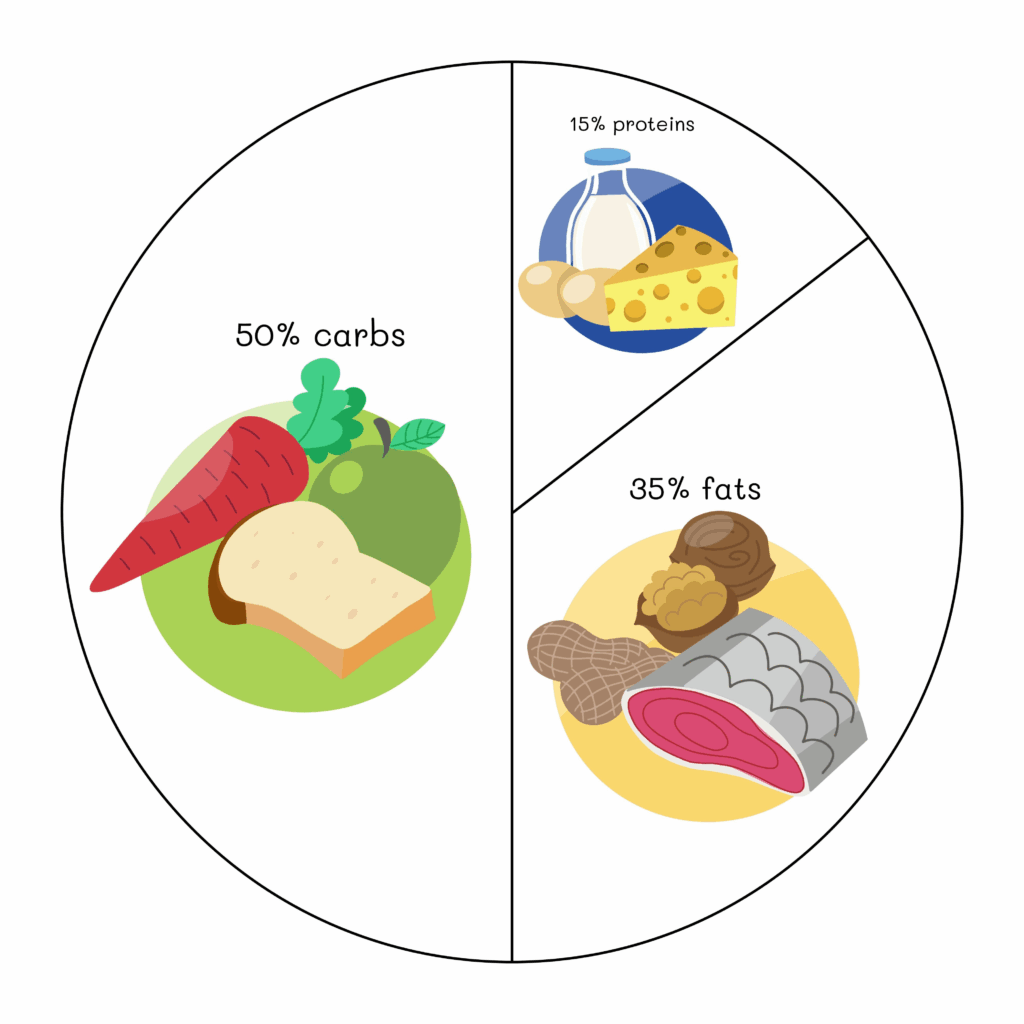
Nutrition is your body’s building material. Ensure you’re eating enough protein to support muscle repair (at least 1.2g per kg of body weight), a good mix of carbohydrates for energy, and healthy fats for hormonal health.
Equally important is sleep. Aim for 7-9 hours per night. This is when your body truly repairs and rebuilds.
Conclusion
Becoming a hybrid athlete is a journey, not a destination. It’s about more than just physical fitness; it’s a commitment to being a well-rounded, capable, and resilient human being. By blending strength, cardio, and mobility, you’ll not only transform your body but also build a powerful mindset that will serve you in all areas of life. So, what are you waiting for? Get stuck in!
Additional Resources to Dig In More:
British Nutrition Foundation: https://www.nutrition.org.uk/ – For reliable information on diet and nutrition.
NHS Live Well: https://www.nhs.uk/live-well/exercise/ – For science-backed exercise guidelines in the UK.
PubMed: https://pubmed.ncbi.nlm.nih.gov/ – For direct access to scientific research on exercise and nutrition.
Strength & Conditioning Research: https://www.strengthandconditioningresearch.com/ – A brilliant resource for in-depth, research-based articles on training.